

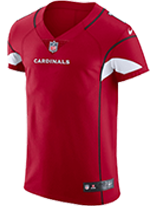
Who owns the Arizona Cardinals?
ack to the team’s inception in Chicago in 1898, making them one of the oldest and most established families in the National Football League.
The Bidwill family’s ownership of the Cardinals dates back to 1932 when Charles W. Bidwill acquired the team. Charles was a successful businessman and entrepreneur who had made his fortune in the construction and real estate industries. He saw an opportunity to expand his business empire by acquiring a professional football team, and the Cardinals presented a prime opportunity for him to do so.
Under Charles Bidwill’s leadership, the Cardinals experienced a period of success, including winning two NFL championships in 1947 and 1948. However, tragedy struck in 1947 when Charles unexpectedly passed away, leaving his son, Bill Bidwill, to take over the team at the young age of 23.
Bill Bidwill proved to be a capable leader and continued his father’s legacy of success with the Cardinals. He oversaw the team’s move from Chicago to St. Louis in 1960, where they enjoyed further success, including a trip to the Super Bowl in 1966. However, the team’s fortunes began to decline in the 1970s and 1980s, leading to a period of instability and mediocrity.
In 1988, Bill Bidwill’s son, Michael, joined the team’s front office and began to take on a more prominent role in the organization. Michael’s leadership and vision helped to revitalize the team and bring them back to prominence in the NFL. In 2007, he was named the team’s principal owner, chairman, and president, solidifying his place as the leader of the Bidwill family’s ownership of the Cardinals.
Under Michael Bidwill’s leadership, the Cardinals have seen a resurgence in success, including multiple playoff appearances and a trip to the NFC Championship Game in 2015. He has been praised for his commitment to the team and the community, as well as his ability to make strategic decisions that have led to the team’s success on and off the field.
In addition to his role with the Cardinals, Michael Bidwill is also actively involved in various charitable endeavors and community initiatives. He serves on the board of directors for the Greater Phoenix Economic Council and is a member of the National Football League’s International Committee, where he helps to promote the growth of the sport globally.
The Bidwill family’s ownership of the Cardinals is a testament to their commitment to the team and their desire to see it succeed both on and off the field. Through their leadership and vision, they have helped to build the Cardinals into a respected and competitive franchise in the NFL.
As the principal owner, chairman, and president of the Arizona Cardinals, Michael Bidwill is responsible for overseeing all aspects of the team’s operations, including player personnel, coaching staff, marketing, and business operations. He works closely with the team’s general manager and head coach to make key decisions that will help the team succeed on the field.
One of Michael Bidwill’s key priorities as the team’s owner is to ensure that the Cardinals are competitive on the field and successful in the community. He has invested heavily in the team’s facilities and infrastructure, including the construction of State Farm Stadium in Glendale, Arizona, which has helped to enhance the fan experience and generate additional revenue for the team.
In addition to his role with the Cardinals, Michael Bidwill is also actively involved in the NFL’s efforts to promote diversity and inclusion within the league. He has been a vocal advocate for increasing opportunities for women and minorities in coaching and front office positions, and has worked with the league to implement policies that promote diversity and inclusion at all levels of the sport.
The Bidwill family’s ownership of the Arizona Cardinals is a testament to their dedication to the team and their commitment to excellence both on and off the field. Through their leadership and vision, they have helped to build the Cardinals into a successful and respected franchise in the NFL, and their legacy will continue to live on for years to come.
Source: Lifesciencesworld.com

















 LIVE
LIVE LIVE
LIVE


